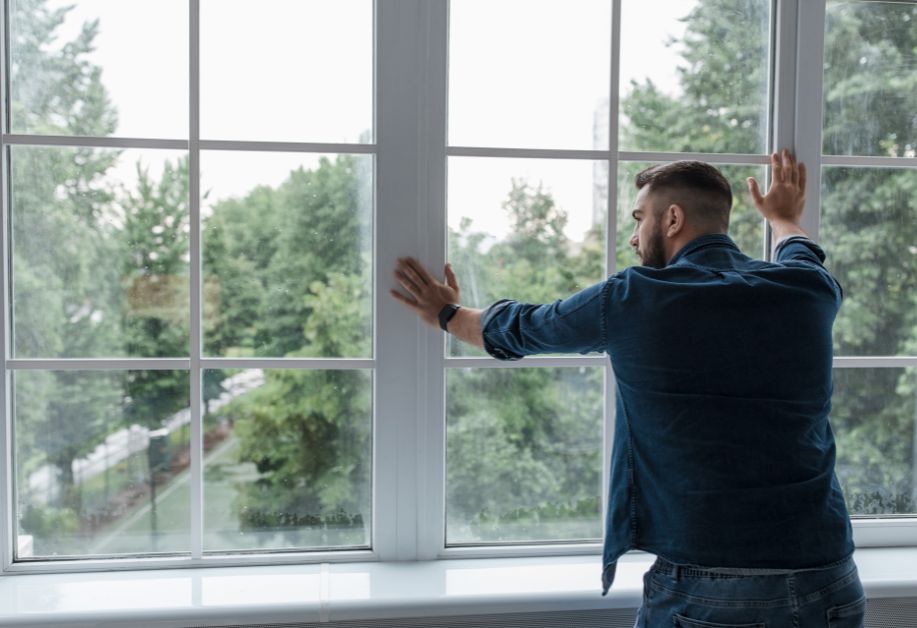
There is a particular temptation that arises during transition. When certainty collapses and identity loosens, the mind looks for something stable to hold onto. For some, that anchor becomes logic. For others, it becomes spirituality.
Both can help. Both can mislead.
In episode 11 we spoke about how men, in particular, often default to rational analysis when facing endings. The instinct is to solve, to calculate, to move forward efficiently. What happened. What do I need to do. What is the next step. This approach has value. Practical reasoning can prevent emotional overwhelm. But logic alone cannot metabolise grief or identity collapse.
Spirituality can widen the lens. When you frame an event as something happening for you rather than to you, it shifts the emotional terrain. The same experience that once felt random or cruel can begin to feel instructive. You ask different questions. What is this showing me. What can I learn. That reframing can soften despair and create space for meaning.
The danger arrives when spirituality becomes ideology. When every coincidence becomes a sign. When fear disguises itself as divine guidance. When responsibility is outsourced to something higher rather than owned internally.
Discernment becomes essential.
Intuition is subtle. It does not shout. It often arrives as a quiet sense of alignment or misalignment. The key is to notice whether something feels energising or draining, whether it flows or forces. That awareness only develops through self-knowledge. It requires silence. It requires honest reflection. It requires a willingness to sit with discomfort rather than instantly interpret it.
For many men, this inner dialogue has never been cultivated. Emotional vocabulary was not encouraged. Feelings were not explored. In that context, spirituality can become a shortcut, a way to sound reflective without actually feeling anything. That is spiritual bypassing. It is using higher language to avoid lower pain.
True spiritual maturity is not escape. It is integration.
It is allowing logic and intuition to coexist. It is asking whether your decision arises from alignment or avoidance. It is accepting that sometimes you will get it wrong. Growth requires that humility.
“You often have to discover who you are not in order to discover who you are.”
Spirituality at its healthiest invites responsibility rather than replacing it. It does not remove agency. It deepens it. It reminds you that meaning is not handed down, it is constructed.
Ultimately the meaning of life is the meaning you choose to give it.
Understanding and embracing this concept is the key to owning your situation and empowering yourself to find a way out of it.
Transitions expose where you have been relying on certainty, identity, or control. Spirituality can help you widen the frame, but it cannot absolve you from doing the work. Feeling the grief. Owning the decision. Sitting with the ambiguity.
The aim is not to become more spiritual.
It is to become more honest.

Support for Your Journey
If you are navigating a life transition and unsure whether you are moving from clarity or avoidance, you do not need to figure it out alone.
The Pathfinder journey is designed to help you integrate logic, emotion, and meaning with steadiness.
📞 Book a free 45-minute Pathfinder Discovery Call with Roman and explore where you are in your transition.